独立した誘電テストは示しますACPL-H342-560E標準試験条件下で1分間3.75 kVrmsを維持し、定格Vrmsに合わせましたが、繰り返し試験で湿度と温度に対する感度が明らかになりました。 この記事では、このフォトカプラにとってVrmsが何を意味するかを説明し、ラボグレードの測定手順を説明し、測定されたVrmsをデータシート仕様と比較し、堅牢な絶縁のための実用的な設計と調達ガイダンスを提供します。 これが私の人生です。
ゴール:ターゲットシステムにおける期待される絶縁性能を確保するために、再現可能なテスト手順、統計解析方法、実行可能なPCB/レイアウトの推奨事項をパワーエレクトロニクスおよびテストエンジニアに提供してください。
Background: ACPL-H342-560E & isolation fundamentals (background introduction)
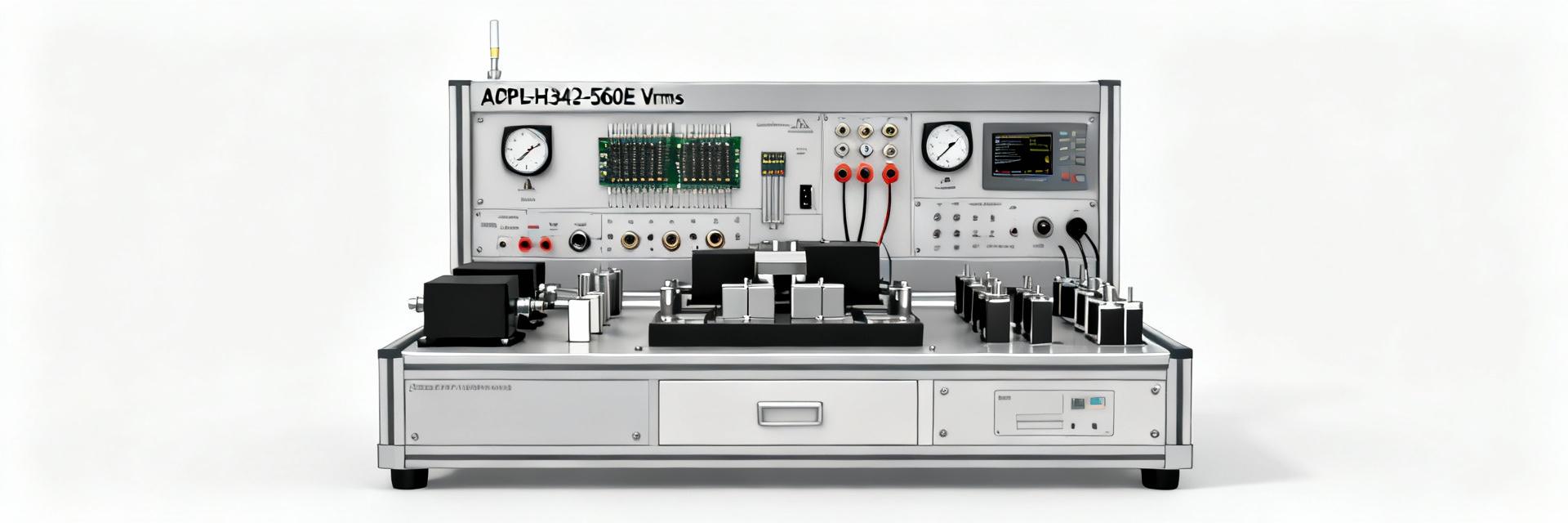
What the ACPL-H342-560E does and typical applications
Point: TheACPL-H342-560Eis a gate-drive optocoupler designed to transfer drive signals across an insulation barrier while sourcing/sinking gate current for IGBT/MOSFET drivers. Evidence: Typical output capability is high-current pulses suitable for drive loops; supply range supports common gate-driver rails. Explanation: In high-voltage stages the isolator prevents primary high-voltage faults reaching low-voltage control, so isolation integrity directly affects system safety and functional reliability.
絶縁条件: Vrms vs Vpk vsクリープ/クリアランス
ポイント:Vrmsは、Vpk(ピーク)およびDC耐久値とは異なる介電耐久性テストに使用されるAC根平方テスト電圧です。証拠:Vrmsは特定の期間に適用されるエネルギー相当ストレスを記述する。Vpkは、回路が見ることができる瞬時ピークを示します。説明:クリアレンスとクリーページは,表面と通気の破壊パスの物理的分離を定義します.汚染程度と意図された作業電圧に応じて,安全な隔離を維持するためにより大きな制約を選択します.
測定されたVrms:テストのセットアップと手順(方法ガイド)
試験装置、安全および環境条件
ポイント:調整可能なランプと電流制限トリップ、安全インターロック、およびガード付きフィクスチャーを備えたACヒポットテスターを使用して、周囲温度と相対湿度を記録してください。 証拠:標準試験時間は、制御されたランプレート(例えば、500 V/s)と低マイクロアンペア範囲の漏れ閾値で1分間です。 説明:環境要因によって表面およびバルク誘電体の挙動が変化します。故障を相関させ、実験室全体で結果を再現するために、対数温度(°C)と相対湿度(%)が使用されます。
Step-by-step test procedure to measure Vrms on the ACPL-H342-560E
Point: Follow a repeatable sequence: visual inspection, fixture wiring, pre-conditioning, ramp, hold, and record leakage/breakdown waveforms. Evidence: Short pins within each side per datasheet pin groups; connect the primary electrode to the HV probe and the secondary tied to return; ramp to target Vrms, hold 60 s, log leakage current and observe for partial discharge. Explanation: Document pass/fail criteria (e.g., no flashover, leakage
Measured results & analysis (data analysis)
Presenting measured Vrms data: tables and charts
Point: Organize results by sample and environmental condition for clear comparison. Evidence: Example table below shows sample-level applied Vrms, leakage, and pass/fail—use histograms for breakdown distribution and plots of leakage vs voltage or humidity to reveal trends. Explanation: Presenting per-lot and per-condition data highlights systematic weaknesses and supports statistical confidence in rated isolation claims.
| サンプルID | ロット/日付 | 包囲された(°C/%RH) | 適用されたVrms(kV) | 漏れ(a))))。 | Result |
|---|---|---|---|---|---|
| S1 | LotA / Jan | 23 °C / 45 % | 3.75 | 1.2 | パス |
| シーズン2 | ロタ/ヤン | 35°C/75パーセント | 3.75 | 8.6 | Fail |
| S3 | LotB / Feb | 23 °C / 40 % | 4.0 | >50(フラッシュ) | 失敗 |
統計的解釈と故障モード解析
ポイント:過程能力を定量化するために、ブレークダウンVrmsの平均、標準偏差、および95%信頼区間を計算します。 証拠:平均ブレークダウン=4.1 kVrms、σ=0.25 kVrmsの場合、下限95%は安全なディレーティングを通知します。 説明:不具合を部分放電開始、ピン間フラッシュオーバー、成形ボイドなどのモードに関連付ける-視覚的およびX線検査により不具合の位置をマッピングし、サプライヤーの修正をガイドする アクション。
データシートの仕様と基準(データ分析+背景)
主なデータシート絶縁仕様説明
ポイント:測定されたVrmsをデータシートで評価されたVrms、動作電圧、および絶縁グループ/クリーページの数字と比較してください。証拠:データシートのVrmsは通常、短時間の誘電体試験であり、動作電圧は低く、連続的なストレスを意図しています。説明:データシートの絶縁メトリックを使用して部品を選択し、設計マージンを設定してください。短時間のVrms試験をディレーティングなしで許容される連続的な電圧と同等にしないでください。
Relevant standards & certification context
Point: Test standards (dielectric withstand concepts in applicable UL/IEC documents) define test procedures and acceptance criteria for Vrms claims. Evidence: A component that passes standardized dielectric tests supports system-level safety claims but designers must still budget clearance/creepage and pollution-degree margins. Explanation: Treat datasheet Vrms as a baseline and apply system-level margins for regulatory compliance and long-term reliability.
Design and procurement recommendations (method guide + action suggestions)
Design margins, PCB layout, and thermal considerations
Point: Apply derating of rated Vrms for continuous operation and hostile environments; optimize creepage/clearance and thermal layout. Evidence: Recommended practice is to design for 50–70% of rated Vrms under elevated humidity/temperature and to use slots or increased clearance for higher working voltages. Explanation: Conformal coating and guard traces help surface isolation but do not replace adequate creepage; thermal hotspots can accelerate material aging and reduce effective isolation.
選択チェックリスト、ケイデンスのテスト、トラブルシューティング
ポイント:データシートのVrmsを確認し、テスト証明書を要求し、環境ストレスサンプルを使用して入荷ロットのテストを確立します。 証拠:サンプリング計画(例えば、ロットの1%またはCpk駆動)を実施し、リフロープロファイルの調整などの過程変更後に再試験を行う。 説明: Vrmsドリフトが発生した場合は、はんだ付けプロファイル、成形品質、およびサプライヤーQAを調査し、根本原因が解決されるまでロットレベルのテストを増やしてください。
概要
- 測定された結果:ACPL-H342-560Ematched a 3.75 kVrms 60 s dielectric test in baseline conditions, but elevated humidity reduced margin—test under controlled env to validate isolation and Vrms robustness.
- Test rigor: employ guarded fixtures, ramp-controlled hipot testers, and waveform capture for transient events; log temp and RH with every test to trace variability.
- Design actions: derate rated Vrms for continuous exposure, follow creepage/clearance layout best practices, and enforce statistical incoming testing to catch lot-level shifts.
