Executive Summary: The 04661.25 SMD fuse is a 1.25 A, 63 V thin-film 1206-class fast-acting fuse. This professional analysis decodes electrical specifications, test conditions, and provides selection guidance for high-reliability overcurrent protection in low-voltage board designs.
Technical Overview: Product Architecture
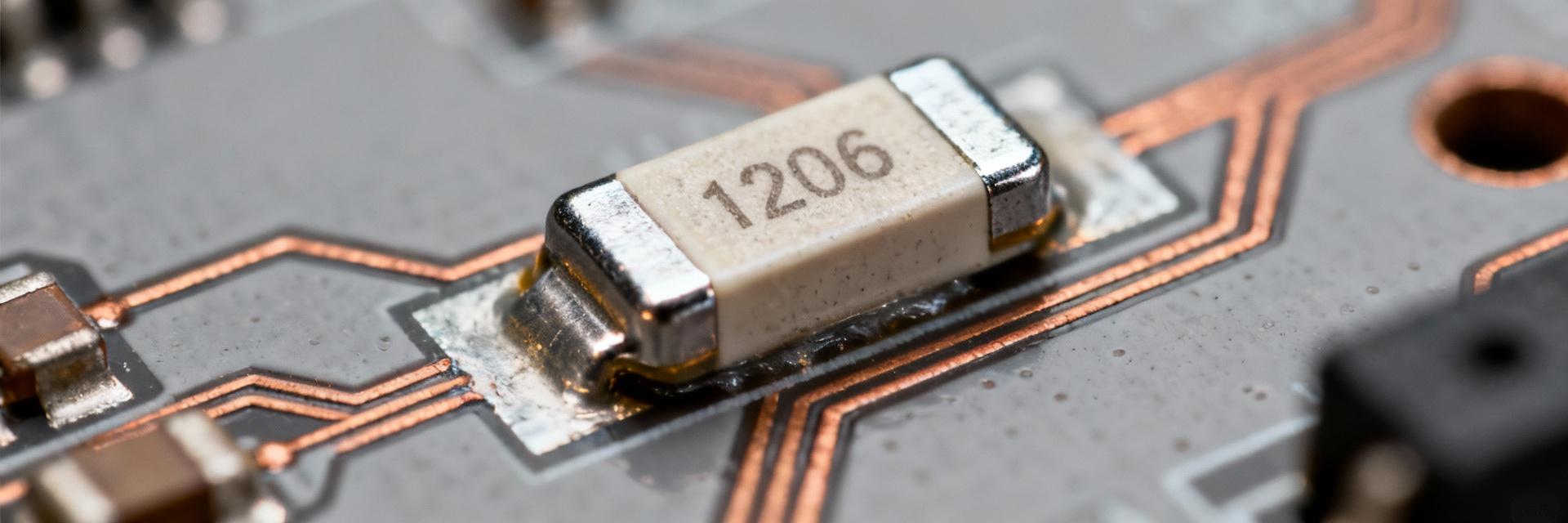
Basic Identity & Package
The 04661.25 part number designates a precision thin-film, surface-mount chip fuse in a 1206 (3216 metric) form factor. Engineered for 1.25 A continuous current at 63 V, it serves as a critical safety component for thermal planning and high-density PCB placement.
Typical Use Cases & Target Applications
Designed for rapid fault clearing, these fast-acting fuses are essential for protecting 5 V and 12 V rails, USB ports, and sensitive regulator outputs against inrush surges and component failure cascades.
| Parameter | Specified Value |
|---|---|
| Nominal Current | 1.25 A |
| Voltage Rating | 63 V AC/DC |
| Package / Footprint | 1206 (3216 metric), Thin-film SMD |
Complete Electrical Specifications
Rated Electrical Values
Interrupting ratings often reach tens of amperes, ensuring the fuse handles short-circuit currents far exceeding nominal loads. The fast-acting characteristic ensures short clearing times for moderate overloads.
Thermal & Environmental Limits
Operational range: -55°C to +90°C. Designers must account for ambient derating curves; higher temperatures lower the hold current. Lead-free reflow profiles should be strictly followed.
Time-Current and I²t Behavior Analysis
Understanding energy let-through (I²t) is vital for downstream component safety (capacitors, regulator SOA). The coordination of trip times ensures the fuse clears faults before damage occurs.
| Overload Level | Typical Trip Time | Visual Performance Metric |
|---|---|---|
| 1.35× | Hold (Minutes to Hours) |
|
| 2× | Seconds |
|
| 10× | Milliseconds |
|
Mechanical & Reliability
- •Mounting: Use recommended pad geometry to reduce mechanical stress on the thin-film element.
- •Reliability: Meets standard vibration, shock, and thermal cycling criteria. RoHS and Halogen-free compliant.
Selection Checklist
- ✔Confirm nominal current margin vs. continuous load.
- ✔Ensure interrupt rating ≥ prospective fault current.
- ✔Apply ambient derating for high-temperature environments.
Installation and Troubleshooting
Validation Steps: Perform post-assembly footprint inspection and cold resistance measurements. Functional tests should include controlled overload scenarios to verify in-circuit behavior matches datasheet trip times.
Common Failures: Often caused by cold solder fillets, improper part variants, or neglected thermal overstress. Always verify top-mark codes and packaging quantity against the official datasheet revision.
Actionable Summary
- The 04661.25 is a 1.25 A, 63 V, 1206-class fast-acting fuse ideal for low-voltage electronics.
- Critical parameters: Verify Time-Current curves and I²t values for component coordination.
- Proper PCB pad layout and adherence to reflow profiles are mandatory for reliability.
- Always cross-check datasheet suffixes and markings before final procurement.
