In lab comparisons of surface-mount overcurrent protection, time-delay SMD fuses reduce nuisance openings caused by inrush events by a clear margin compared with fast-acting parts. This guide walks through the 0454008.MR SMD fuse datasheet and decodes the key electrical, thermal, and application data engineers need to spec an 8A slow-blow fuse reliably in product designs.
The content focuses on measurable parameters from the official datasheet, practical sizing formulas, PCB footprint and assembly considerations, and bench tests that validate performance. Readers will find concise checklists for procurement and three application vignettes that illustrate common failure modes and fixes for SMD slow-blow protection in compact power designs.
Quick Overview: What the 0454008.MR SMD Fuse is and Where it Fits
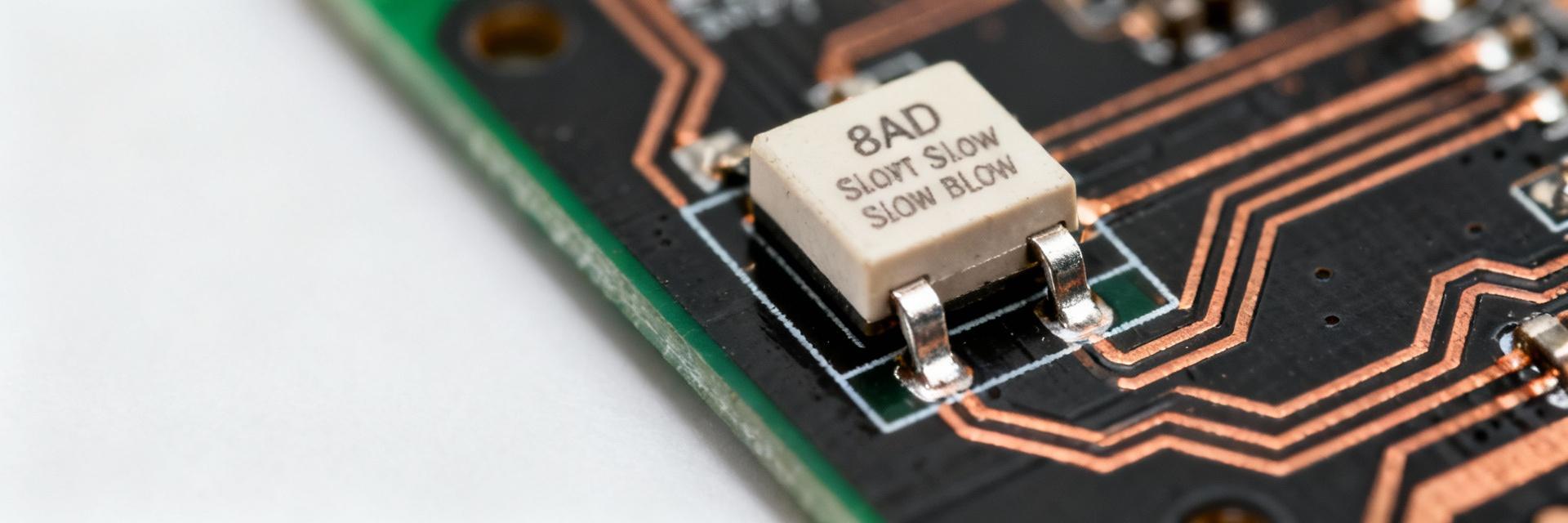
Key Part Identity & Form Factor
This part is a surface-mount, time-delay fuse in a compact ceramic/enamel-style SMD package intended for board-level overcurrent protection in constrained spaces. Typical footprint requires a small rectangular land pattern and moderate stand-off; pick-and-place and reflow-compatible assembly are standard considerations when using this SMD slow-blow part in automated production.
Typical Application Zones
Common use-cases include AC/DC adapter input protection, battery and charger protection, motor and relay inrush mitigation, and distributed power rail protection on densely populated PCBs. A time-delay device is chosen where short-duration inrush or startup currents must be tolerated while still protecting against sustained overload.
Electrical Specifications Deep-Dive: Rating, Trip Behavior, and Limits
Current and Voltage Ratings
Rated continuous current is 8 A; rated voltage is specified for AC and DC in the official datasheet and determines the maximum prospective voltage the fuse can safely interrupt. An 8A slow-blow fuse withstands short-duration multiples of rated current; designers must apply recommended derating for elevated ambient temperatures.
Time-Delay Behavior & Trip Analysis
| Multiple of IRated | Typical Clearing Time | Visual Representation |
|---|---|---|
| 1.5× | Minutes (no open for short bursts) |
|
| 5× | Seconds to tens of seconds |
|
| 10× | Sub-second to seconds |
|
| Parameter | Typical I2t Value |
|---|---|
| Fusing I2t | Refer to datasheet table for specified value (use for energy comparison) |
Thermal & Environmental Specs
- Temperature Range: Operating and storage ranges are provided on the datasheet; derate current at elevated ambient temperatures.
- Power Dissipation: Steady-state dissipation raises temperatures; ensure proper PCB keepout and thermal relief.
- Environmental: Follow reflow profiles to avoid ceramic/enamel damage. Account for shock and vibration near connectors.
Soldering & Robustness Tips
Follow reflow profile limits strictly to avoid metallization damage. Adhere to recommended land pattern tolerances to prevent tombstoning or misalignment during high-speed automated assembly.
Selecting the Fuse: Rules of Thumb & Calculations
| Selection Parameter | Example Value | Design Notes |
|---|---|---|
| Continuous Current | 5.0 A | Standard operating load |
| Startup Inrush | 30 A for 20 ms | High, short duration surge |
| Selected Fuse | 8 A Slow-Blow | Allows inrush, protects sustained overload |
Common Questions & Answers
How does the 0454008.MR SMD fuse handle startup inrush without nuisance opening?
What test steps prove the 0454008.MR SMD fuse selection for a motor driver inrush?
What procurement checks should engineers perform before committing to reel orders?
Key Summary
- The 8A rating, voltage limits, and time-current curves are the primary datasheet fields to check when specifying this SMD slow-blow protection device.
- Use I2t and fusing curves to compare fuse energy to upstream components; size the fuse typically 125–150% of steady-state current.
- Validate with bench tests: steady-state soak, controlled inrush, and fault clearing tests to ensure reliability.
