The 0453.750MR is referenced for compact board-level overcurrent protection where low current and small package matter.
Evidence: Rated current 0.75 A, maximum working voltage 125 VAC, nominal cold resistance ≈ 0.1444 Ω.
Explanation: These numbers define thermal rise, voltage drop, and interrupt behavior used in early-stage part selection.
Designers consult the 0453.750MR datasheet for repeatable selection data.
Evidence: The part’s SMD form, interrupting capacity, and time-current behavior are published for PCB coordination.
Explanation: Using the datasheet early avoids iterative board spins and ensures regulator/connector protection margins.
Quick Overview & At-a-Glance Specs
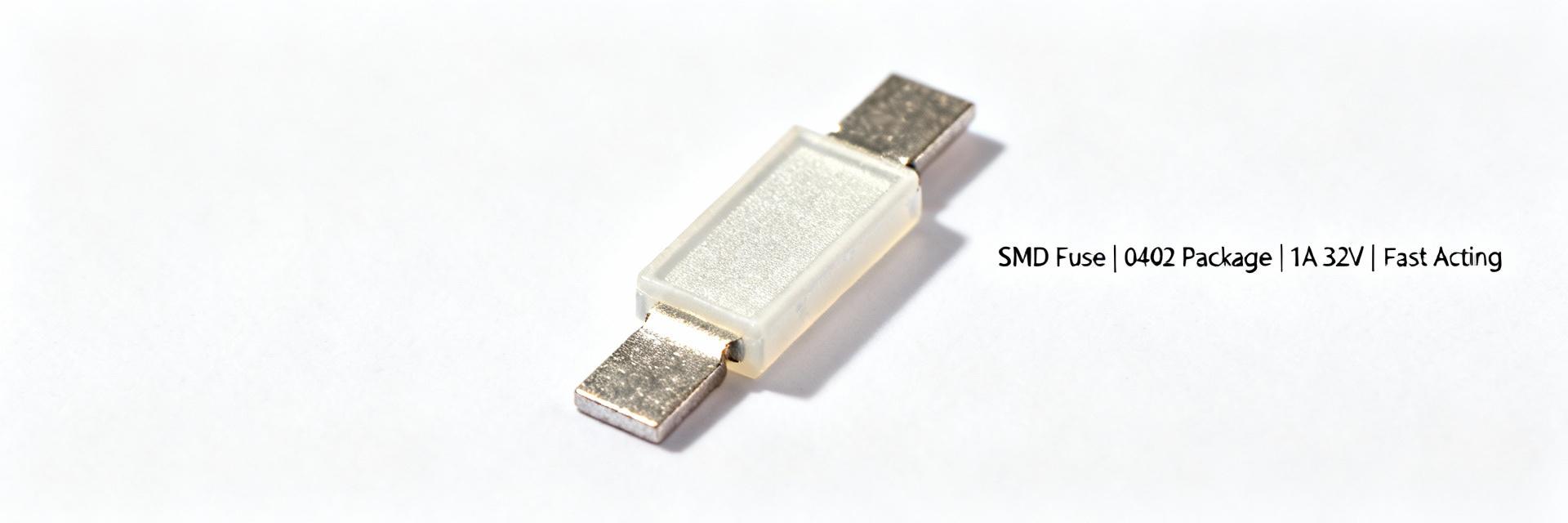
What the 0453.750MR is (Form Factor & Series Context)
Point: The 0453.750MR is a surface-mount, cartridge-style board fuse intended for low-current AC and DC protection.
Evidence: Nominal rating 0.75 A in an SMD package, marked for reel handling and automated placement.
Explanation: Its small footprint suits USB-power, sensor rails, and secondary protection just upstream of regulators.
At-a-glance spec summary
A compact spec table consolidates key electrical specs for quick comparison.
| Parameter | Value | Visual Indicator |
|---|---|---|
| Rated current | 0.75 A |
|
| Max voltage | 125 VAC (equivalent DC dependent on datasheet) | High Voltage Safe |
| Nominal cold resistance | ≈ 0.1444 Ω | Low Impedance |
| Interrupting rating | See datasheet time-current / I²t | -- |
| Package | SMD reel, specified land pattern | -- |
| Compliance | RoHS (confirm revision) | ✔ Certified |
Full Electrical Specifications Deep-Dive
Electrical ratings: current, voltage, resistance & capacity
Use the 0453.750MR datasheet to separate absolute maximums from normal operating ratings. Rated 0.75 A continuous versus peak surge clearing shown on time-current curves; cold resistance ~0.1444 Ω drives I²R losses. Selection must consider continuous heating and interrupting capacity to avoid upstream cascade failure.
Thermal & derating behavior
Fuse heating changes allowable continuous current. Datasheet derating curves show lower continuous current at elevated ambient and restricted airflow. Design PCBs with thermal relief, thermal vias, and copper pour to dissipate heat; derate by the specified percentage at expected ambient.
Pinout, Mechanical Dimensions & Footprint
Pin numbering and pad layout (Pinout)
Correct pad mapping prevents assembly and function errors. SMD fuses typically have two end terminals; datasheet shows pad location, orientation mark, and solderable land definition. Annotate the schematic with the pad names and include polarity-like orientation marks for consistent placement.
PCB footprint recommendations and land pattern
Follow manufacturer land-pattern to ensure solder fillet and mechanical reliability. Recommended pad lengths, solder mask clearances, and stencil apertures are provided for reflow profiles. Common mistakes include undersized pads; use correct stencil aperture percentages and add fiducials.
Performance Curves & Testing Data
Time-Current & I²t Curves
Time-current curves define how long the fuse survives overcurrent. Curve plots show clearing time vs. multiple of rated current. Coordination ensures the fuse clears before downstream components reach damaging thresholds.
Reliability Test Results
Datasheet test summaries indicate suitability for environments: humidity, shock, vibration, and solderability. Validate in-house qualification tests and set shelf-life, storage, and reflow process windows.
Application Guidance & Troubleshooting
-
!
Typical Use Cases: Place the fuse close to the external connector or source, before linear or switching regulators, to limit fault energy into downstream circuits (e.g., USB power rails).
-
✓
BOM Replacement: Substitute only with dimensionally and performance-compatible parts. Apply derating (70–80% of rated for continuous thermal margin).
-
?
Failure Diagnostics: Open circuits after surge or discoloration indicate events. Diagnostic flow: measure resistance cold, verify upstream voltage, and inspect solder joints.
Summary / Conclusion
Key datasheet numbers drive board decisions. The 0.75 A rating, 125 VAC maximum, and ~0.1444 Ω cold resistance determine heating, voltage drop, and coordination. Use the datasheet early in layout, verify electrical specs and pinout against your board, and bench-test surge scenarios before mass production.
Key Summary Points
- The 0453.750MR datasheet lists rated current 0.75 A, max voltage 125 VAC, and nominal cold resistance ≈0.1444 Ω.
- Follow recommended land pattern and solder stencil guidance to ensure reliable solder fillets.
- Interpret time-current and I²t curves to coordinate protection with upstream devices.
