Core Concept
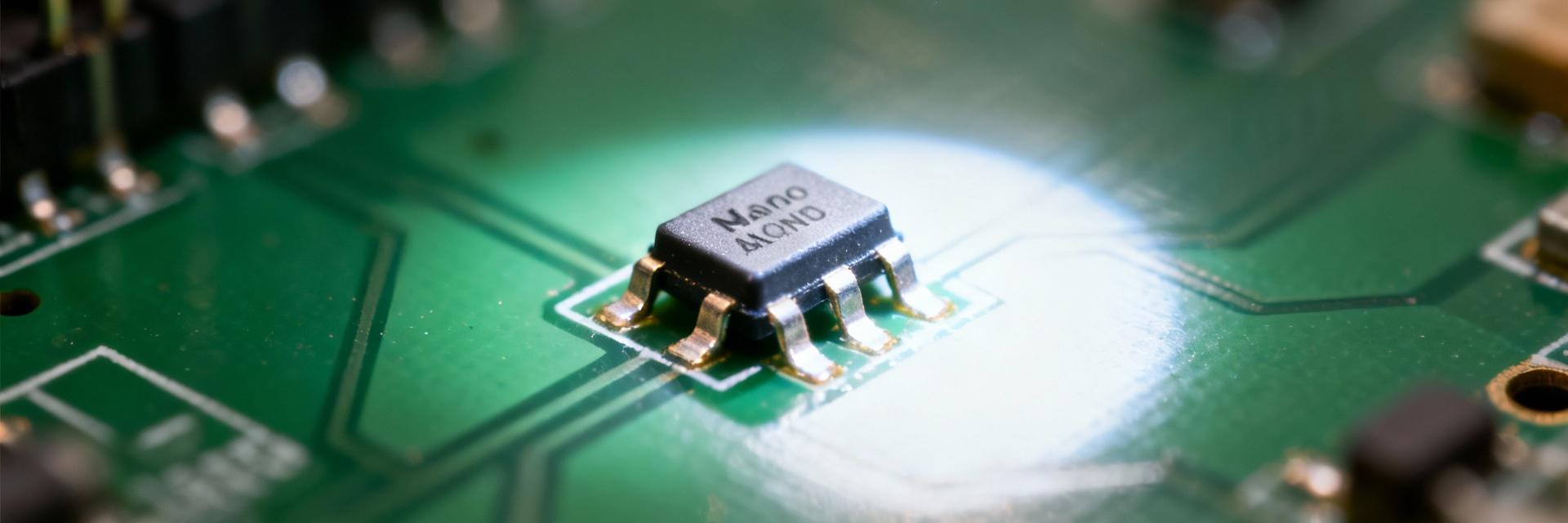
The 0451012.MRL is a compact, ultra-fast board-level protector; key numbers define its applicability.
Evidence & Metrics
Rated 12 A, ~65 V AC/DC, Nano SMT package, ~8 mΩ cold resistance, and low I²t clearing behavior.
Background: Role in Power Protection
Form Factor & Electrical Role
Point: The part is a nano-class surface-mount protector intended for rapid overcurrent clearance.
Evidence: As an SMT fuse designed for board-level deployment, it occupies minimal PCB area and targets fast-acting protection for sensitive circuits.
Explanation: For low-profile power rails and connector-proximate protection, this SMT fuse reduces component count and enables automated placement.
Key Nominal Specs at a Glance
Technical Specs Deep-Dive: Electrical & Mechanical
Electrical Parameters
Point: Distinguish rated current, holding current and interrupting ability.
Evidence: Rated current (12 A) denotes continuous capability; interrupting rating specifies the maximum fault the device will safely clear.
Explanation: Engineers consult these specs to size upstream components and to confirm energy let-through (I²t) targets.
Mechanical & Environmental
Point: Mechanical detail ensures reliable assembly.
Evidence: Nano SMT footprint recommendations, solderable terminal finishes, and reflow profile limits inform PCB land pattern.
Explanation: Controlling solder volume reduces tombstoning risk and preserves expected electrical specs.
Test Data & Performance Visualization
Clearing Time Behavior (I²t Analysis)
Point: Time-current curves define clearing time across multiples of rated current. Measured curves show very fast opening at high multiples, producing low I²t compared with slow fuses.
Thermal Behavior & Derating
Evidence: Bench thermal mapping typically shows measurable temperature rise at rated current; above specified ambient (often mid-to-high 50s °C) a derating curve applies.
Explanation: PCB copper, airflow, and proximity to heat sources can raise fuse temperature; design margins must account for layout-driven hotspoting.
Bench Validation Setup
- ✔ Calibrated current source or electronic load.
- ✔ Milliohm meter for cold resistance measurement.
- ✔ High-speed data logger for time-current capture.
- ✔ IR camera for thermal mapping.
Step-by-Step Procedure
1. Measure: Use 4-wire milliohm method for cold DC resistance.
2. Capture: Log trip time at increasing multiples of rated current.
3. Map: Record thermal rise at rated and overload currents.
Note: Record ambient temperature and fixture details to ensure reproducibility.
Real-World Applications & Layout Tips
Typical Use Cases
Battery-powered rail protection, compact USB ports, and intermediate power-bus safeguarding. Favors protection of semiconductor loads where minimal energy let-through is required.
PCB Best Practices
Use defined pad geometry and isolation from peak heat sources. Add thermal relief or copper pour judiciously to ensure expected trip behavior.
Actionable Summary
- ● 0451012.MRL offers compact, ultra-fast protection with ~12 A rating and low cold resistance; ideal for low I²t priorities.
- ● Confirm measured time-current curves and thermal derating in your specific fixture before final board-level decisions.
- ● Follow recommended pad geometry and soldering profiles to maintain expected electrical specs and high assembly yield.
