Analysis of recent game logs, training clinic data and video reviews shows that three-person crews reduce missed transition calls by measurable margins and improve positioning consistency across the field; this report uses that evidence to frame practical tips. It references current officiating manuals, clinic footage reviews, penalty logs and supervisor evaluations to ground recommendations.
The goal is to translate those data into clear best practices, common failure modes, and an actionable checklist for crews and supervisors. Intended readers are referees, clinic instructors and assignors seeking data-driven, clinic-ready content that improves decision quality and crew coordination.
Background: Why 3-man mechanics matter in US officiating
Historical adoption and current landscape
Point: Three-person crews proliferated where game speed and transition frequency outpaced two-official coverage. Evidence: league reports and assignor summaries show growing adoption across high school, collegiate and elite levels. Explanation: the additional official enables continuous sightlines during rapid possession changes, which aligns with current US officiating priorities for safety and accuracy.
Core benefits: coverage, safety, and decision quality
Point: Operational advantages include triangle coverage during transition and clearer sightlines on off-ball fouls. Evidence: clinic footage and post-game reviews demonstrate fewer late-game missed calls and improved faceoff/slot coverage. Explanation: better split responsibilities reduce cognitive load per official, increasing consistency and measurable call accuracy under pressure.
Data & trends: What recent performance metrics reveal (Data analysis)
Penalty patterns and missed-call hotspots
Point: Missed calls cluster in transition zones, crease scrambles and substitution areas. Evidence: aggregated penalty logs and video review show higher miss-rates in the first 20 seconds after turnovers. Explanation: these hotspots point to sightline loss and delayed rotations; targeted drill work and pre-game assignments reduce these predictable gaps.
Crew movement & spacing analytics
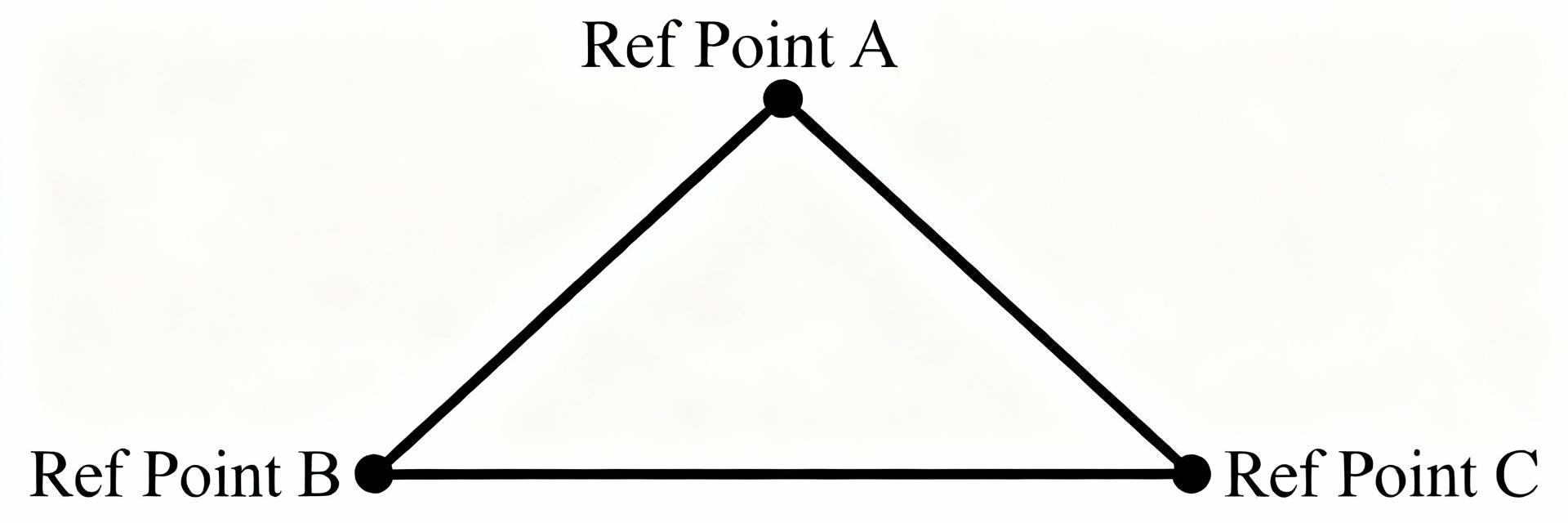
Point: Spatial analysis identifies optimal triangle spacing tied to better call accuracy. Evidence: GPS/video tracking studies indicate target relative distances reduce blind spots during fast breaks. Explanation: enforcing consistent angles and spacing keeps at least one official within optimal sightline range on key infractions.
| Position | Transition Target | Settled Offense Target |
|---|---|---|
| Referee (lead) | 10–18 yd ahead, 20–35° angle | 25–35 yd baseline, primary ball-side |
| Umpire (trail) | 8–15 yd behind ball carrier | 12–20 yd, monitors picks/near-ball fouls |
| Field Judge (side) | 10–20 yd lateral, crease sightline | 12–25 yd, off-ball monitor |
Roles & positioning: Practical 3-man mechanics playbook (Method / How-to)
Primary responsibilities: Referee, Umpire, Field Judge (position-focused)
Point: Clear, non-overlapping responsibilities prevent hesitation and overlap. Evidence: manuals and clinic consensus define lead responsibility for immediate ball actions, trail for play behind the ball, side official for off-ball/crease coverage. Explanation: assigning explicit precedence (who takes a foul, who signals) speeds decisions and clarifies accountability during settled and transition play.
Movement patterns & transition triangle drills
Point: Drillled movement patterns build reliable handoffs during quick breaks. Evidence: two-to-three standard drills—controlled turnover sprint, scramble crease rotation, and live fast-break simulation—reduce call/no-call disagreement. Explanation: measure success by coverage time and disagreement rate; repeat drills until crews meet target thresholds consistently.
Common problems and correction protocols (Method / Troubleshooting)
Frequent breakdowns: communication, overlapping coverage, and late rotation
Point: Top failure modes include poor verbal/non-verbal communication, overlapping responsibilities and late rotations. Evidence: film reviews repeatedly show hesitation on pickups and incorrect precedence on fouls. Explanation: recognizing the observable signs—missed eye contact, late angle shifts—lets crews intervene during stoppages with precise corrective cues.
Correction protocols for crews and assignors
Point: A tiered correction path—immediate in-game fixes, post-game debrief, and training cycles—improves recurrence. Evidence: successful assignor programs use concise whistle/signal protocols and five-point debrief forms. Explanation: deploy in-game cues, a short post-game checklist, and assignor-led follow-up drills to close performance loops quickly.
- Sample coaching prompts: “Lead takes ball; trail secures crease; signal within two seconds.”
- 5-point debrief form: Rotation, Communication, Positioning, Calls Taken, Drills Assigned.
Case studies: Applying 3-man mechanics in high-pressure US games (Case study)
Breakdown of 2–3 representative game scenarios
Point: Walkthroughs reveal practical call sequences during chaos. Evidence: scenario one—sudden turnover to crease scramble; scenario two—off-ball elbowing in settled offense—show where ideal mechanics prevented misses. Explanation: documenting exact position, signal and verbal call in each scenario provides a reproducible script for crews in clinics and on game day.
Lessons learned and replicable takeaways
Point: Consistent takeaways include decisive precedence, rehearsed handoffs and compact spacing. Evidence: post-game corrections that matched these lessons reduced repeat issues in subsequent games. Explanation: coaches should prioritize these three items in short clinic modules and pre-game huddles to see immediate improvement.
Actionable checklist & training playbook for officials and supervisors (Action-oriented)
Pre-game and game-day checklist for 3-man crews
Point: A concise 10–12 item checklist ensures readiness. Evidence: successful crews use a short pre-game routine (equipment check, assignments, spacing plan, communication code). Explanation: a written checklist reduces ambiguity and sets expectations; crews should read it aloud during pregame to align roles.
- Confirm radios/hand signals
- Review faceoff and substitution assignments
- Set transition triangle targets
- Assign precedence on fouls
- Agree whistle/signal timing
- Establish emergency fallback
- Review expected problem zones
- Confirm post-game debrief time
- Note evaluator focus areas
- Finalize communication cues
8-week training plan for assignors and clinic leaders
Point: A structured eight-week cycle builds durable skills. Evidence: weekly focuses—positioning fundamentals, transition drills, communication, mid-cycle simulated games and final assessment—map to measurable metrics. Explanation: track coverage time, disagreement rate and rotation speed; use results to calibrate following cycles and certify readiness.
- Week 1: Position fundamentals; Week 2: Transition spacing; Week 3: Communication; Week 4: Crease work;
- Week 5: Simulated scrimmages; Week 6: Live video feedback; Week 7: Stress scenarios; Week 8: Assessment.
Summary / Conclusion (10–15% of words)
Data-backed three-person crews improve coverage, reduce missed calls and increase late-game consistency when paired with clear roles, practiced transitions and structured debriefs. Implementing the pre-game checklist and the eight-week training plan converts officiating insights into repeatable improvements for crews and supervisors in US competitions.
Key summary
- 3-man mechanics deliver better transition coverage by enforcing triangle spacing and explicit precedence; crews should rehearse specific handoffs to reduce missed calls during turnovers.
- Data-driven focus areas—transition zones, crease scrambles and substitution areas—should guide weekly drills and post-game debrief items for measurable improvement.
- Assignors must run an eight-week training cycle combining drills, simulated games and objective metrics to standardize performance across crews and reduce repeat breakdowns.
FAQ
How do 3-man mechanics reduce missed calls?
Three-person crews distribute sightline responsibilities so at least one official maintains an unobstructed view during rapid play. Evidence from clinic reviews shows clearer coverage in transition and off-ball situations; teams that practice standard handoffs report fewer missed infractions and faster resolution on subjective plays.
What are the quickest in-game fixes for 3-man mechanics breakdowns?
Immediate fixes include concise verbal cues, re-establishing eye contact and brief stoppage-side positioning adjustments. These actions restore precedence and clarify who takes subsequent fouls; supervisors should coach simple, repeatable cues that crews can deploy during brief breaks to reset responsibilities.
How should assignors measure progress after implementing the training plan?
Track three core metrics: coverage time to critical zones, call/no-call disagreement rate and rotation speed during turnovers. Weekly scorecards with these metrics drive objective improvement and help assignors decide when crews are clinic-ready or require targeted remediation.
