This consolidated reference brings together critical specifications, validated test results, and practical integration guidance for the 043-0106-01-LF. Designed for engineers to streamline evaluation, procurement, and production verification.
Product Background & Part Identification
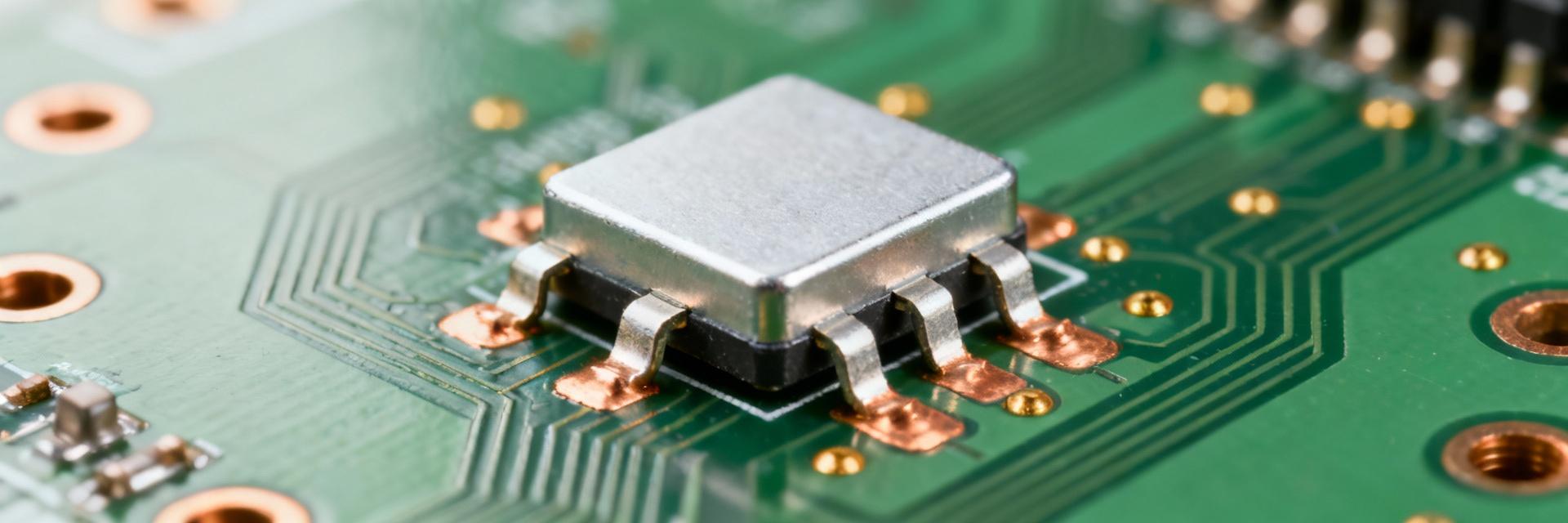
Part Description & Intended Applications
The 043-0106-01-LF is a high-performance, compact lead-free component designed for circuit protection and signal-conditioning within industrial and consumer power subsystems. This component is specifically engineered for environments where PCB area is constrained and RoHS compliance is mandatory.
- RoHS lead-free finish
- Versatile axial/radial form factor
- High surge current resilience
- Stable electrical tolerance across temperature
Ideal for board-level surge protection modules in 24V industrial I/O rails and power distribution units.
Ordering Codes & Variants
| Code Suffix | Meaning | Procurement Tip |
|---|---|---|
| -LF | Lead-free finish | Mandatory for RoHS compliance requirements. |
| -T | Tape & Reel | Optimized for automated SMT/THT placement. |
| -Vx | Voltage/Tolerance variant | Match carefully with system voltage margins. |
Electrical & Performance Specifications
Key Electrical Parameters
| Parameter | Typical Rating | Test Conditions |
|---|---|---|
| Working Voltage (Vw) | 50 V | Ta = 25°C |
| Clamping/Threshold | 350 V @ 1 A | 1 ms pulse |
| Series Resistance (Rdc) | 0.25 Ω | Measured @ 25°C |
| Leakage Current | V = Vw, Ta = 25°C |
Visual Data: Thermal Derating Analysis
Note: Continuous current capability decreases linearly as ambient temperature exceeds 25°C. For long-term reliability (MTBF), maintain junction temperatures within 80% of maximum ratings.
Mechanical Dimensions & Environmental Ratings
Mechanical Specifications
| Dimension | Nominal | Tolerance |
|---|---|---|
| Body Length | 10.0 mm | ±0.2 mm |
| Body Width | 4.5 mm | ±0.1 mm |
| Lead Spacing | 5.08 mm | ±0.15 mm |
Reliability Standards
| Stress Test | Limit / Condition |
|---|---|
| Thermal Cycling | -40 to +125°C, 100 cycles |
| Vibration | 10–2000 Hz, 10 g |
| Mechanical Cycles | ≥ 10,000 cycles |
Integration & Verification Checklist
- Footprint Verification: Match mechanical drawings with a 0.15 mm tolerance allowance for lead spacing.
- Thermal Strategy: Derate working voltage by 20–30% for elevated ambient temperatures; implement thermal vias.
- Testability: Incorporate dedicated PCB test points for in-circuit leakage and clamp verification.
