A high-precision pin receptacle designed for 0.012"–0.017" (0.30–0.43 mm) pins. Optimized for board-to-board connectivity, high-cycle testing, and low-current signal integrity.
The 0529-0-15-15-10-27-10-0 is a specialized pin receptacle featuring a copper-alloy body with gold-over-nickel plating. Engineers prioritize this component for its tight dimensional tolerances and reliable 2A current rating, making it a staple in automated test equipment (ATE) and fine-pitch PCB assemblies.
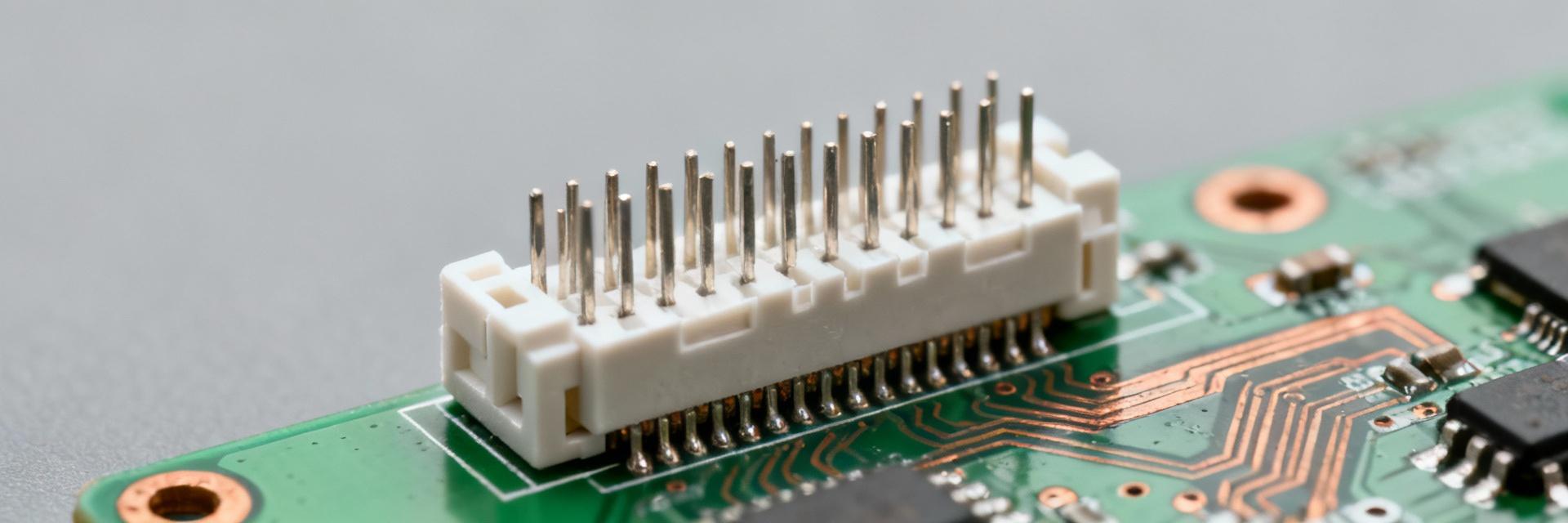
Background: Function & Typical Applications
Application Scope
Ideal for test jigs, fixtures, and pogo-pin mating interfaces. In high-cycle production test sockets, matching the pin range precisely prevents intermittent contact and extends component life by reducing wear.
Part Anatomy
The part number defines the contact acceptance, no-tail mounting, and plating specs. Understanding these fields is essential for DFM (Design for Manufacturing) sign-off on hole sizes and press-fit requirements.
Datasheet Overview: Key Fields
| Parameter | Typical (Imperial) | Typical (Metric) |
|---|---|---|
| Contact Acceptance | 0.012" – 0.017" | 0.30 – 0.43 mm |
| Outside / Flange Dia. | ~0.055" | ~1.4 mm |
| Rated Current | ~2 A | ~2 A |
| Material / Plating | Copper alloy, Au/Ni | Copper alloy, Au/Ni |
| Mating Cycles | See Datasheet | See Datasheet |
Performance Visualization: Current Rating
Typical current capacity is rated at 2 Amps. Ensure proper derating for high-temperature environments or high-density deployments.
Mechanical Specifications
Dimensional Checklist: Verify the outside diameter (~1.4 mm / 0.055") and body length. Typical press-fit clearances should be maintained at 0.001"–0.003" per side depending on the substrate material.
Retention: The "No Tail" design indicates a focus on press-fit or housed mounting. Always verify pull-out force requirements and consider reflow-safe adhesives if mounting into plastic housings.
Electrical Performance
Resistance & Voltage: Contact resistance is optimized in the low milliohm range. Gold-over-nickel plating ensures signal integrity even after multiple mating cycles.
Environment: For critical deployments, implement accelerated thermal cycling tests to reveal any potential plating fatigue or corrosion risks in high-humidity zones.
Assembly & Inspection Guidance
- Verify hole size and cleaning protocols for PCBs/Housings.
- Use controlled tooling for press-fit insertion to avoid deformation.
- For no-tail parts, secure via retention clips or specified adhesives.
- Condition sample with 10 mate/unmate cycles.
- Apply 2A for 30s.
- Measure 4-wire resistance (Pass: ≤50 mΩ initial).
Sourcing & Procurement Checklist
Incoming Inspection
Confirm full part number match, material plating specs, RoHS/REACH certificates, and lot traceability before bulk acceptance.
Validation Testing
Perform mating-cycle endurance and mechanical retention (pull) tests. Define pass/fail thresholds early in the procurement phase.
Summary
- ✓ Ensure mating-pin compatibility within the 0.012"–0.017" (0.30–0.43 mm) range to avoid accelerated wear.
- ✓ Plan the mechanical retention strategy (press-fit or adhesive) for no-tail mounting in the final assembly.
- ✓ Validate electrical ratings (≈2A, low mΩ) and plating integrity through initial lot qualification and sample testing.
