What is the 0512966060 connector? Key specs & common uses
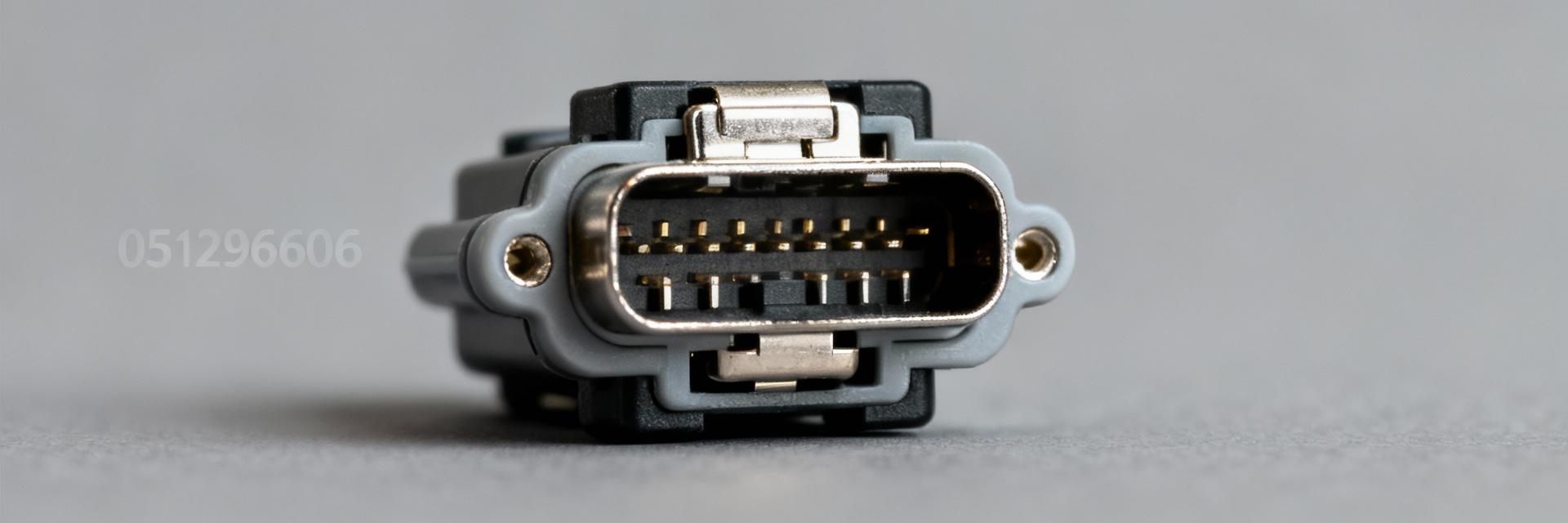
Physical characteristics to recognize
Visual cues are the fastest ID tools: note housing shape, latch type, color, and polarizing ribs. Count pins and inspect pin rows for single- or dual-row layout. Typical cues that distinguish the 0512966060 connector include a rectangular insulated housing, discrete latch, and defined keying. Recommend high-resolution photos from three angles and an annotated diagram to aid remote identification.
Electrical & mechanical specifications to confirm
Confirm ratings by matching datasheet fields: voltage, current per pin, contact material/coating, pitch, mounting style, retention force, and operating temperature. Record measurement tolerances and test conditions stated on the datasheet; do not assume interchangeability without these fields.
| Parameter | Typical Value | Visual Reference |
|---|---|---|
| Voltage Rating | ≤ 60 V (confirm) |
|
| Current Per Pin | 1–3 A (typical) |
|
| Contact Material | Brass with tin/gold plating | High Conductivity |
| Operating Temp | -40 °C to +105 °C |
How to identify the connector: step-by-step inspection & measurement
Visual inspection and pin/pitch measurements
- Count total pin quantity accurately.
- Measure center-to-center pin spacing with digital calipers.
- Record overall housing dimensions (Length x Width x Height).
- Photograph keying features and molded codes.
Electrical and continuity tests
- Perform low-voltage continuity checks.
- Measure contact resistance with a milliohm meter.
- Observe ESD precautions during testing.
- Verify polarity checks using a 0–5 V test source only when safe.
Variant mapping & cross-referencing: compatibility strategies
Common variants & compatible families: Variant differences that matter include pitch changes, plating (tin vs. gold), latch or polarizing alterations, and housing material. Plating and pitch affect electrical and mechanical compatibility; latch style impacts retention and mating.
Safe usage: Read manufacturer ordering codes and the mechanical drawing for exact dimensions. Cross-reference using measured parameters rather than relying solely on printed numbers. Treat unlabeled aftermarket parts cautiously—require traceability and certificate fields before use.
How to source the 0512966060 connector safely
Procurement Red Flags
- Missing LOT/batch codes.
- Unusually low prices compared to market average.
- Absence of datasheet or spec sheet upon request.
- Sellers unwilling to provide physical samples.
Preferred Procurement Routes
- Authorized distributors with documented traceability.
- Direct contract supply with certificates of conformance.
- Verified small-batch testing before scaling.
- Include acceptance testing clauses in contracts.
Verification, testing & installation best practices
Confirm PN/specs match BoM; inspect samples for mechanical fit; perform continuity tests; run thermal checks if required; document pass/fail thresholds.
Align keying carefully; apply even mating force (no side-loads); use strain reliefs; perform functional test post-install; check retention force for intermittent issues.
Summary / Conclusion
Follow a three-step safe approach: identify visually and by measurement, verify via datasheet and tests, and source with supplier traceability and small-batch validation. Document every step to speed future identifications and protect procurement decisions.
